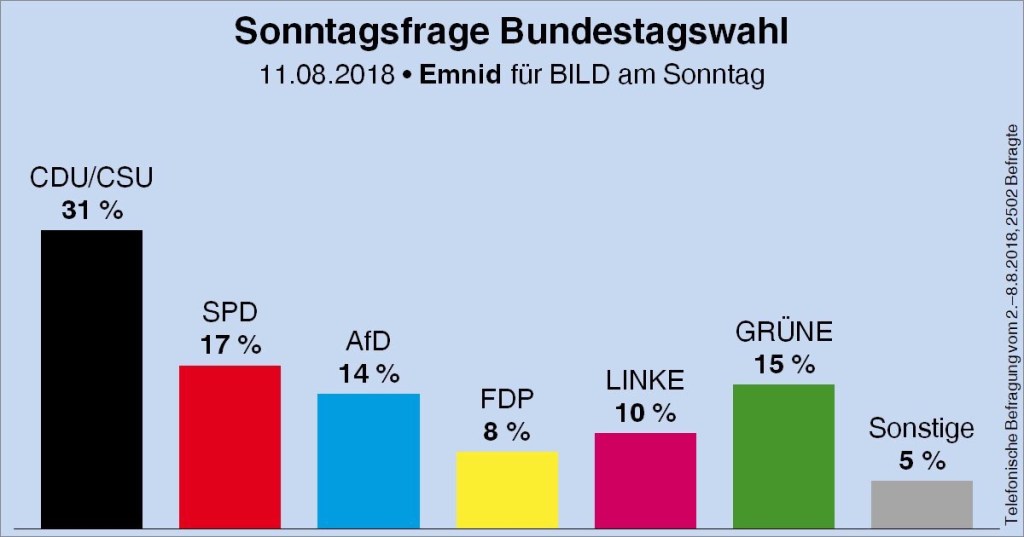
A poll of German voters has shown Die Grünen ahead of far right Alternative für Deutschland. The poll shows Merkel’s CDU ahead on 31% followed by the SPD on 17%, the Greens are in 3rd at 15%, narrowly overtaking AfF on 14% who are trailed by Die Linke and the FDP on 10 and 8%.
If reproduced at the General Election, this would be an increase of 6% for the Greens. The poll places the Greens within the margin of error with the SPD and would be the best result in the party’s history.
Obviously, the poll is a one off and, although there has been a consistent increase in Green support in recent polling, it alone does not suggest the Greens are about to overtake AfD or the SPD any time soon. But it did get me thinking about some problems with reactions from the British media to European politics and polling.
Whilst there have been millions of words churned out about the rise of the AfD and a supposed reaction against Merkel’s pro-refugee policies, very little has been written on the opposing rise in support for a staunchly pro-immigration and refugee Green Party.
A relatively politically aware friend recently said to me, “what about Merkel? She’s in trouble isn’t she?”. This comes from a media narrative that ignores the CDUs consistently huge polling leads and Angela Merkel’s very favourable approval ratings. The sensationalist British press has painted a narrative of German backlash against immigration which doesn’t stand up to scrutiny.
This echoes British coverage of the French Presidential election, which consistently talked up Marine Le Pen’s chances whilst neglecting the real story of the election – Emmanuel Macron’s rapid rise to prominence.
A Facebook post by The Independent just before the second round of the French Presidential election in May 2017, for example, read “BREAKING NEWS: Far-right Le Pen set to be crushed in French elections, poll shows”
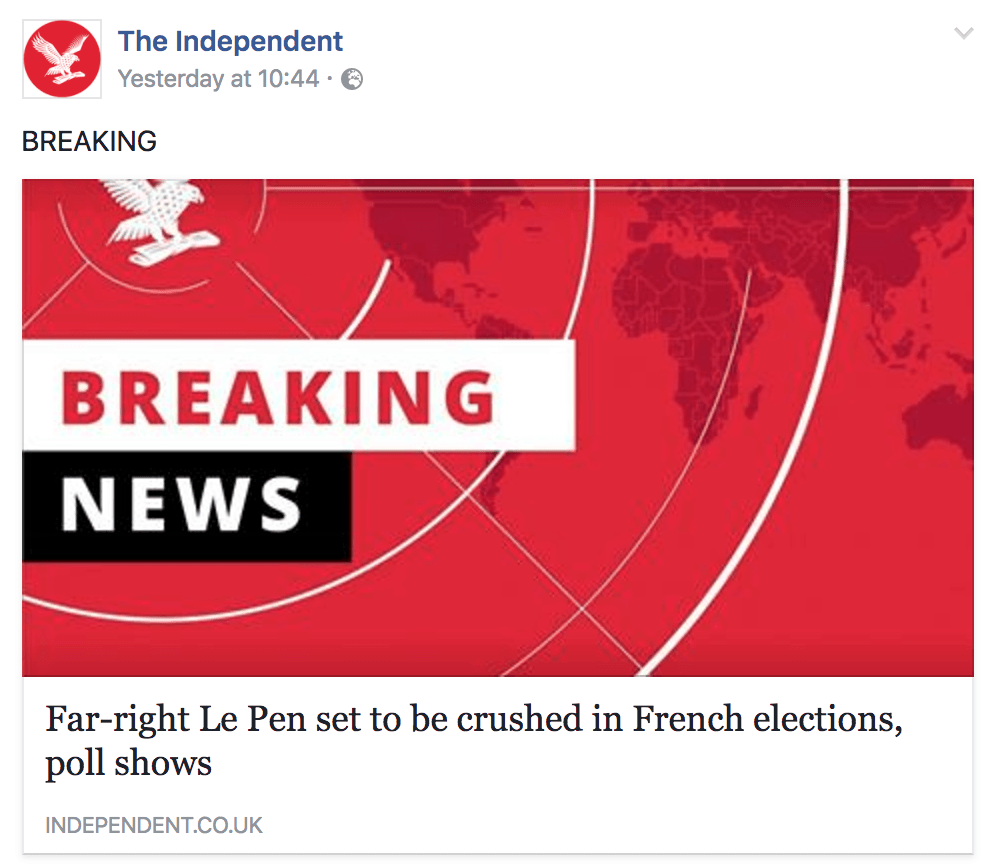
It took me by surprise at the time, not because it was ‘BREAKING’, nor because the headline’s content was particularly shocking, but because the ‘BREAKING’ headline was so inane. Polls consistently showed Le Pen being easily defeated in the second round of the French election, so why is this breaking news? The actual article left few clues.
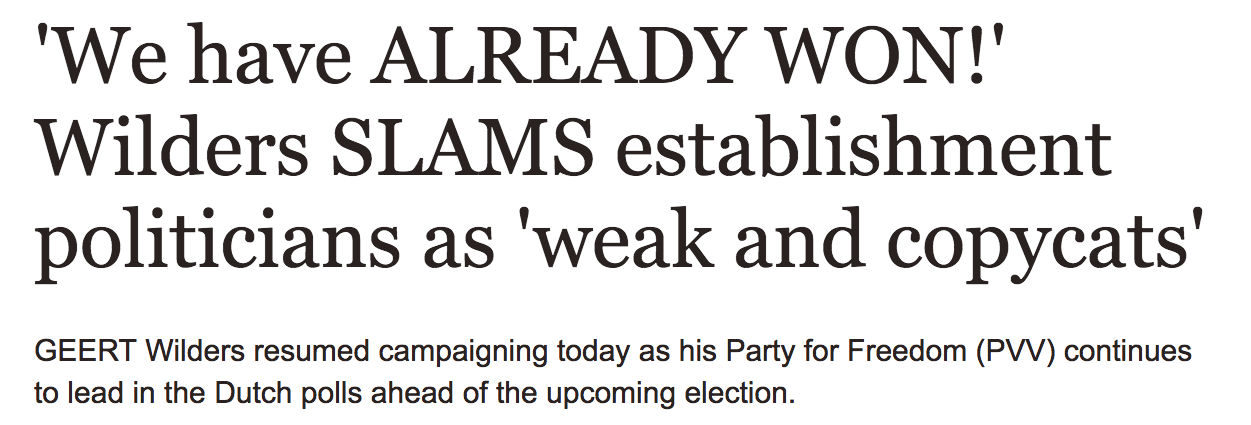
The Independent’s hysterical headline reminded me of an article I’d read by Cas Mudde about the poor coverage of Dutch elections. British tabloids, the Daily Express in particular, painted the election as a Rutte vs Wilders, one on one, establishment vs the people battle for the fate of Europe. Obviously, it didn’t pan out this way. Even as the polls turned against Wilders in the final days, the press bleated on about the right wingers inevitable rise to power.

This failure to cover European politics has serious implications in Britain. Attitudes towards the EU, immigration and many other issues are shaped by the experiences of European countries, but the British media dangerously warps and sensationalises European politics.
Cas Mudde expands on this in Populist Radical Right Parties in Europe, explaining how a newly diversified media is far more likely to pick up on populist themes, leading to an increase in support for populist parties. Issues like the refugee crisis and immigration clearly generate more clicks than the economy, playing into populist parties’ hands.
This is backed up by comparing levels of immigration to support for populist right wing parties across Europe. Whilst countries that experience more immigration tend to have higher support for populists, this correlation does not exist within the country (and it can sometimes be inverted). The media portrayal of immigration is clearly a more important factor than lived experience of immigration.
This was certainly the case during the EU referendum, in which areas with relatively low immigration were far more likely to vote to Leave. As Alan Travis argued in The Guardian, fear of immigration drove the leave vote – not immigration itself.
Whilst some will argue that the media is just a reflection of what the public is interested in, journalists have a responsibility to report issues proportionately. This may be very difficult but the consequences of failing to do so may be the resurgence of far right extremism.

 Owen Winter
Leave a comment